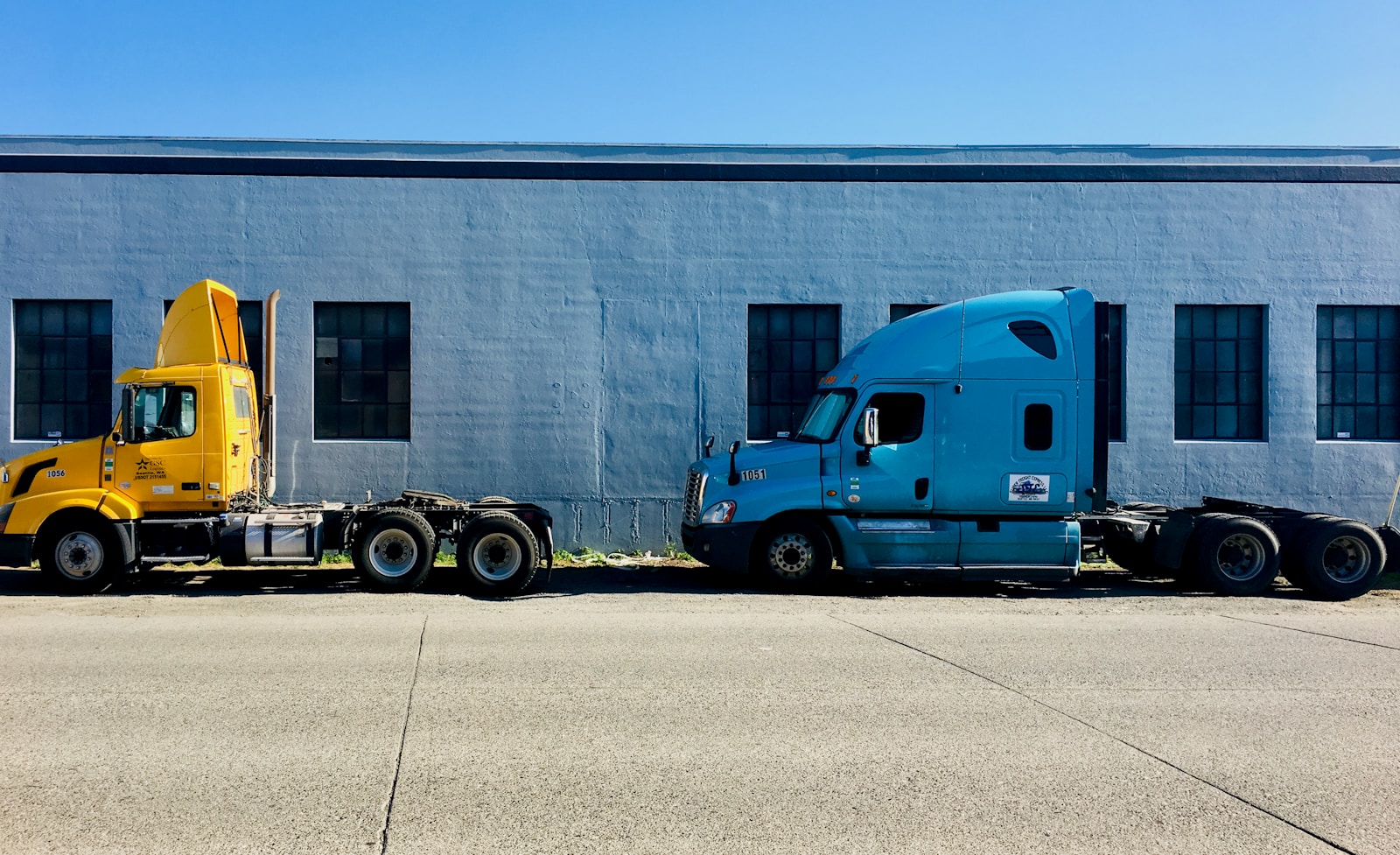
In the highly competitive world of transportation and logistics, fuel economy is a critical concern for fleet owners and independent truckers alike. With diesel prices fluctuating and environmental regulations tightening, improving fuel efficiency is not just a matter of cost-saving—it is also about sustainability and regulatory compliance. One of the most effective ways to boost fuel economy in heavy-duty trucks is by upgrading or maintaining key truck parts designed to optimize performance. This essay explores heavy duty truck parts and how they work together to deliver efficient, cost-effective operations.
1. Aerodynamic Enhancements
Aerodynamics play a significant role in reducing drag and improving fuel economy, especially at highway speeds. Components such as roof fairings, side skirts, trailer tails, and wheel covers reduce wind resistance by smoothing airflow around the truck and trailer. According to the U.S. Department of Energy, aerodynamic upgrades can improve fuel economy by up to 12%. Modern trucks increasingly come equipped with these parts, but retrofitting older models can also yield significant savings over time.
2. Low Rolling Resistance Tires
Tires are one of the most important but often overlooked contributors to fuel consumption. Low rolling resistance (LRR) tires are designed to minimize energy loss as a tire rolls, thereby improving efficiency. These tires reduce the friction between the tire and the road surface, helping to lower fuel consumption without sacrificing traction or durability. Regular tire maintenance, including proper inflation and alignment, further enhances their effectiveness.
3. Automatic Tire Inflation Systems (ATIS)
Maintaining optimal tire pressure is vital for fuel economy. Under-inflated tires can increase rolling resistance and fuel consumption by as much as 3%. Automatic Tire Inflation Systems (ATIS) keep tires inflated to the correct pressure levels at all times, ensuring optimal performance and fuel efficiency. These systems also extend tire life and reduce the risk of blowouts, contributing to overall cost savings and vehicle safety.
4. Efficient Powertrain Components
Upgrading components within the powertrain—such as the transmission, differential, and axle ratios—can lead to significant improvements in fuel economy. Automated manual transmissions (AMTs), for example, optimize gear shifting better than human drivers, reducing unnecessary fuel usage. Advanced engine control units (ECUs) can also be programmed to maximize fuel efficiency based on load and terrain conditions.
5. Lightweight Materials
Reducing the weight of a truck reduces the energy required to move it. Replacing steel components with aluminum or composite materials in parts like wheels, suspension systems, and frames can lower the overall vehicle weight and improve fuel economy. Every 10% reduction in weight can translate to up to a 5–7% increase in fuel efficiency.
6. Auxiliary Power Units (APUs)
Heavy-duty trucks often idle for extended periods, especially during driver rest breaks. Idling consumes fuel unnecessarily and causes engine wear. Auxiliary Power Units (APUs) provide heating, cooling, and electrical power without running the main engine, significantly reducing idle time and fuel consumption. APUs are particularly useful for long-haul trucks and can save thousands of dollars in fuel costs annually.
7. Aftermarket Fuel Additives and Engine Tuners
Some truck owners turn to aftermarket fuel additives and tuners that claim to improve combustion efficiency and reduce fuel consumption. While results vary, certain EPA-approved products can deliver small improvements in fuel economy. Engine tuners, when used responsibly, can optimize engine parameters for more efficient fuel use under specific conditions.
Conclusion
Improving fuel economy in heavy-duty trucks is a multi-faceted challenge that requires attention to various vehicle components and systems. By investing in aerodynamic parts, low rolling resistance tires, efficient powertrain components, and idle-reduction technologies, fleet managers and independent operators can achieve substantial fuel savings. These upgrades not only reduce operational costs but also support environmental sustainability by cutting down on greenhouse gas emissions. As fuel economy becomes an increasingly important metric for profitability and compliance, upgrading truck parts for efficiency is no longer optional—it is essential.