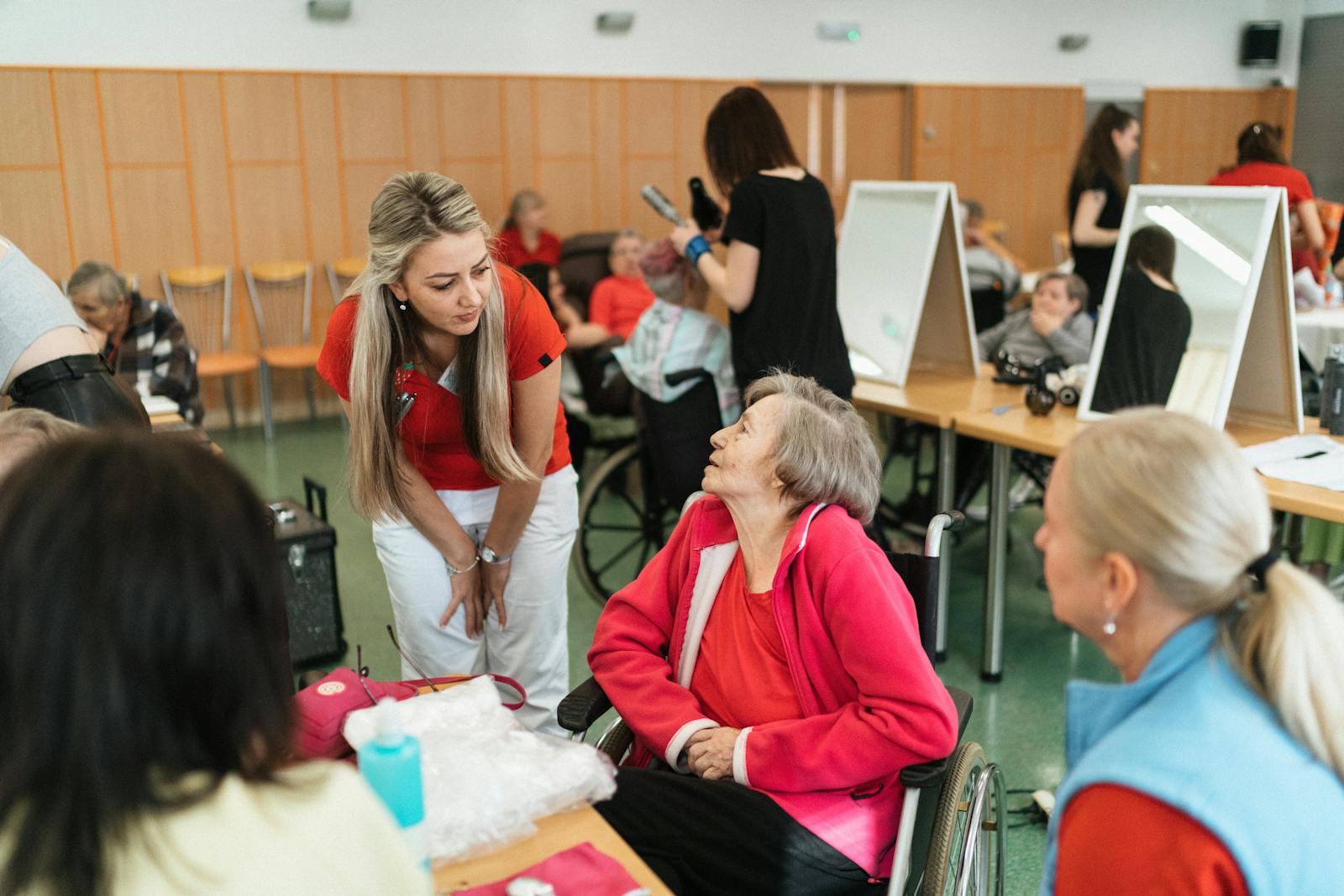
Dementia, an umbrella term for a range of cognitive disorders including Alzheimer’s disease, vascular dementia, and Lewy body dementia, affects millions of people worldwide. Beyond memory loss, dementia profoundly impacts behavior, communication, emotions, and the ability to perform everyday tasks. Traditional approaches to dementia care often focus primarily on medical management—medications, routine monitoring, and symptom control. While these are essential, research and experience increasingly highlight the importance of holistic dementia care, which addresses the whole person: physical, mental, emotional, social, and spiritual well-being. This essay explores the principles, benefits, challenges, and best practices of holistic dementia care.
Understanding Holistic Dementia Care
Holistic dementia care is a comprehensive approach that views the person living with dementia as a whole individual rather than just a set of symptoms. It integrates medical treatment with therapies and practices that support emotional health, cognitive function, social engagement, and quality of life. Central to this approach is the idea of person-centered care, where care plans are tailored to the unique needs, preferences, abilities, and history of each individual.
Holistic care encompasses multiple dimensions, including:
- Physical Health: Managing chronic conditions, promoting mobility, nutrition, and sleep, and ensuring safety.
- Cognitive Stimulation: Engaging the brain through memory exercises, creative activities, music, or problem-solving tasks.
- Emotional Well-Being: Providing counseling, reassurance, and compassionate communication to reduce anxiety, depression, and agitation.
- Social Connection: Encouraging participation in community, family, and peer interactions to combat loneliness and isolation.
- Spiritual and Cultural Needs: Honoring beliefs, values, and traditions that provide meaning and comfort.
Principles of Holistic Dementia Care
- Person-Centered Approach
Each person’s life story, personality, and preferences guide care. Staff members learn about an individual’s past experiences, favorite activities, and personal routines to create meaningful engagement. For example, a resident who loved gardening may spend time tending plants, which can evoke memories and enhance mood. - Interdisciplinary Collaboration
Holistic care often involves a team of professionals including doctors, nurses, social workers, occupational therapists, psychologists, nutritionists, and activity coordinators. Collaboration ensures that all aspects of health—physical, cognitive, emotional, and social—are addressed. - Environmental Adaptation
The living environment is tailored to reduce confusion and agitation while promoting independence. This may include clear signage, safe walking paths, comfortable lighting, and familiar objects that evoke positive memories. - Integration of Therapeutic Activities
Activities such as music therapy, art therapy, reminiscence therapy, aromatherapy, and pet therapy are integrated into daily routines. These interventions reduce stress, stimulate cognition, and enhance emotional well-being. - Support for Families and Caregivers
Holistic dementia care recognizes that caregiving can be emotionally and physically demanding. Education, counseling, respite care, and support groups help families provide compassionate care without burning out.
Benefits of Holistic Dementia Care
- Improved Quality of Life
By addressing emotional, social, and cognitive needs alongside medical care, individuals experience greater fulfillment, engagement, and comfort. They are treated as valued human beings, not merely patients. - Reduced Behavioral Challenges
Personalized interventions, environmental adaptations, and emotional support often reduce aggression, agitation, wandering, and other challenging behaviors, decreasing reliance on medications. - Enhanced Cognitive and Emotional Functioning
Stimulating activities, social interaction, and memory exercises can slow cognitive decline and reduce feelings of depression and anxiety. - Stronger Relationships and Communication
Holistic care emphasizes meaningful interaction between caregivers, family members, and residents. This fosters trust, reduces frustration, and strengthens emotional bonds. - Support for Caregivers
By providing education, guidance, and emotional support, holistic care reduces caregiver stress and improves their ability to provide quality care.
Challenges in Implementing Holistic Dementia Care
While the benefits are clear, implementing holistic care comes with challenges:
- Resource Intensive: Holistic care often requires more staff, training, and time than conventional care models.
- Need for Specialized Training: Caregivers must understand dementia’s progression, communication strategies, and therapeutic interventions.
- Measuring Outcomes: Unlike medical interventions with quantifiable outcomes, the benefits of holistic approaches—emotional well-being, social engagement, quality of life—are harder to measure objectively.
- Cultural and Individual Diversity: Tailoring care to respect diverse cultural, spiritual, and personal preferences requires sensitivity and flexibility.
Best Practices in Holistic Dementia Care
- Life Story Work: Maintaining personal histories, photographs, and meaningful objects helps caregivers connect and provides residents with comfort and identity.
- Routine and Structure with Flexibility: Consistent daily routines reduce anxiety, but flexibility allows residents to make choices and participate in preferred activities.
- Therapeutic Engagement: Activities should stimulate cognition and creativity, including music, art, gardening, exercise, and reminiscence therapy.
- Safe and Supportive Environment: Homes should minimize hazards while promoting autonomy and exploration.
- Family and Community Involvement: Encouraging family participation and community interaction reduces isolation and strengthens support networks.
Conclusion
Holistic dementia care represents a compassionate and forward-thinking approach to one of the most challenging health issues of our time. By addressing the physical, cognitive, emotional, social, and spiritual needs of individuals, this model enhances quality of life, fosters dignity, and reduces behavioral and emotional distress. While implementation requires resources, specialized training, and a commitment to person-centered care, the outcomes are transformative for both individuals and their caregivers. As dementia prevalence rises globally, holistic care provides a roadmap for creating supportive, humane, and meaningful environments where people living with dementia can thrive.
If you like, I can also write another essay focusing on practical strategies and daily routines for holistic dementia care, which would be more applied and hands-on for caregivers. This could complement the theoretical perspective above.