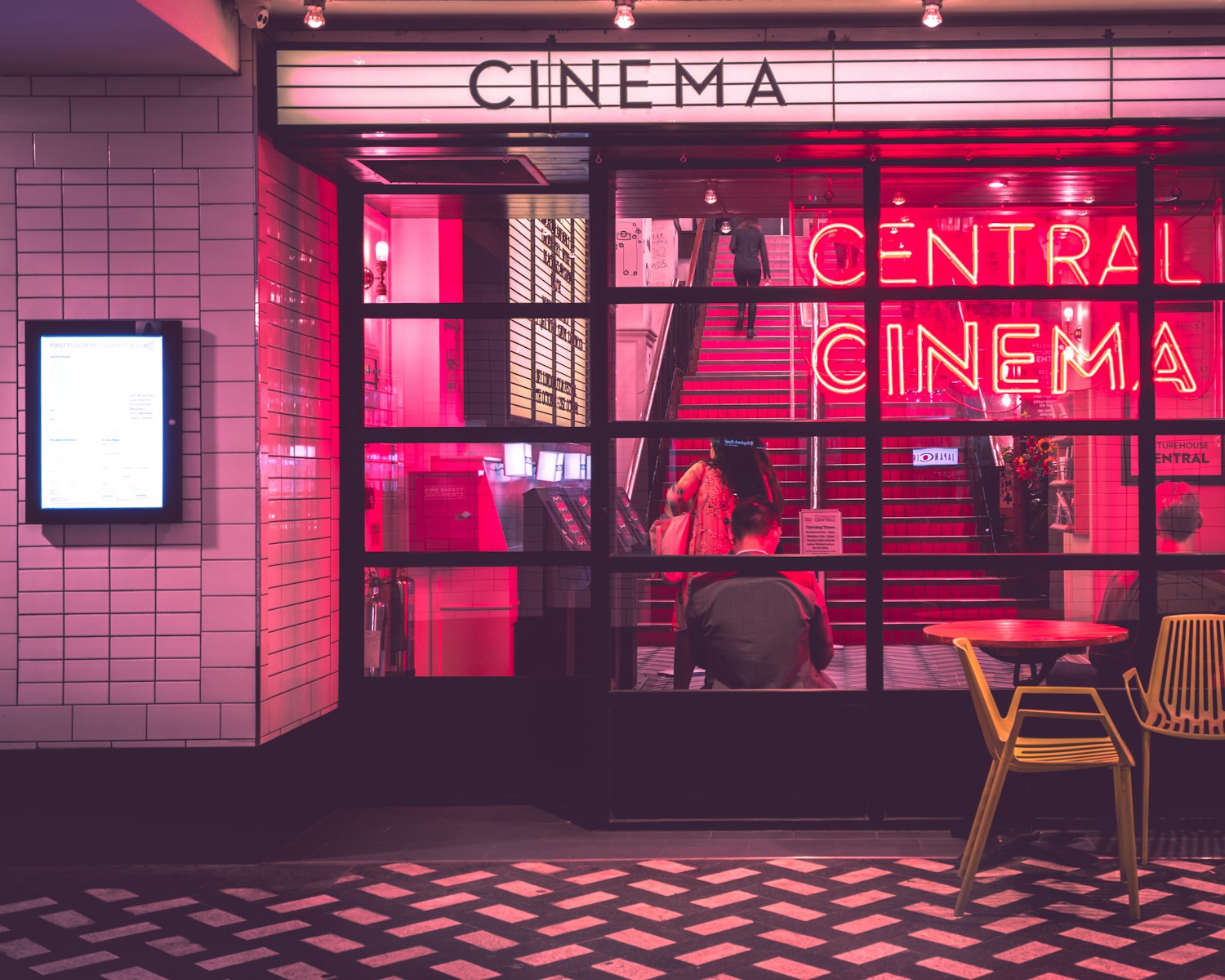
In a world that thrives on ideas and innovation, finding a space that nurtures creativity has become increasingly important. A creative hub is a place—physical or virtual—where people with artistic, cultural, or entrepreneurial talents come together to share ideas, collaborate, and grow. It can be a co-working studio, a community center, a digital platform, or even a cultural organization. However, with so many different options available, finding the right creative hub requires awareness, exploration, and reflection. Knowing how to find a creative hub can help individuals connect with the right people, access valuable resources, and unlock their full creative potential.
Understanding What You Need
The first step in finding a creative hub is to understand your own needs and goals. Not every hub is the same—some focus on art and design, others on technology, media, or entrepreneurship. Before searching, it is important to think about what kind of creative environment suits you best.
Ask yourself questions like:
- What kind of projects do I want to work on?
- Do I prefer working alone or in collaboration with others?
- Am I looking for mentorship, resources, or networking opportunities?
By identifying your creative goals, you can focus your search on hubs that align with your interests. For example, an artist might look for an art studio collective, while a filmmaker might seek a multimedia center. Understanding what you need helps narrow down choices and saves time.
Researching Local and Online Options
Once you know what you are looking for, the next step is research. Many creative hubs operate within cities, towns, or universities, while others exist online. Begin by exploring your local community—search for art centers, innovation labs, co-working spaces, and cultural organizations. You can also check bulletin boards, community websites, or local event listings for creative meetups and workshops.
If physical hubs are limited in your area, consider virtual creative hubs. Online platforms such as Behance, Dribbble, or CreativeMornings connect artists, designers, writers, and creators worldwide. These platforms allow you to showcase your work, learn from others, and even collaborate on international projects—all from your own home.
Social media can also be a powerful tool for discovery. Many creative hubs share updates on Instagram, Facebook, or LinkedIn. By following creative communities or using hashtags related to your field, you can find spaces that match your interests and location.
Visiting and Exploring Different Hubs
Finding the right creative hub often requires exploration. If possible, visit a few hubs in person before deciding which one suits you best. Pay attention to the environment—does it feel inspiring, welcoming, and supportive? Observe the kind of people working there, the activities taking place, and the overall atmosphere.
Don’t hesitate to ask questions. Talk to members about their experiences, the benefits they receive, and any challenges they face. Many hubs also host open days, exhibitions, or trial memberships that allow newcomers to experience the space before joining permanently.
The goal is to find a hub where you feel comfortable, motivated, and creatively free—a place that encourages you to learn and express yourself without judgment.
Evaluating Resources and Opportunities
A good creative hub is more than just a beautiful space—it provides resources and opportunities that help individuals grow. When evaluating different hubs, consider what they offer:
- Do they provide access to equipment, tools, or studios?
- Are there mentorship programs or professional workshops?
- Do they organize events, exhibitions, or networking sessions?
- Is there a supportive community that encourages collaboration?
Some creative hubs focus on training and education, while others emphasize networking and business development. Choose one that fits your personal and professional goals. A photographer might benefit from a hub that offers studio equipment, while a writer might prefer a quiet co-working space or an online community of editors and readers.
Considering Cost, Location, and Commitment
Practical factors also play an important role. Cost is one of them—some creative hubs are free community spaces, while others charge membership fees. It’s important to find one that fits your budget without causing stress.
Location matters too. Choose a hub that is easy to reach so you can visit regularly without difficulty. Consistency is key to developing creative habits, so convenience will help you stay engaged.
Lastly, consider the level of commitment required. Some hubs allow flexible participation, while others expect active involvement or long-term membership. Think about how much time you can dedicate and choose accordingly.
Networking and Word of Mouth
Sometimes, the best way to find a creative hub is through people you know. Talk to other artists, creators, teachers, or students who share your interests. They may already be part of a hub or know of one that matches your needs. Attending art fairs, creative workshops, and cultural events can also help you meet people who are connected to such spaces.
Networking not only helps you find creative hubs but also gives you a glimpse into the community you may soon join. Building these relationships can open doors to new opportunities and collaborations.
The Role of Exploration and Openness
Finding the right creative hub is not always immediate—it takes openness, patience, and curiosity. You might try a few different spaces before discovering one that truly feels right. What’s important is to stay flexible and keep exploring. Creativity thrives in environments that challenge and inspire, so be open to new ideas and people along the way.
Conclusion
Finding a creative hub is a journey of self-discovery as much as it is a search for a physical or virtual space. It begins with understanding your creative goals, researching local and online opportunities, exploring different hubs, and evaluating what each one offers. It also involves connecting with others, asking questions, and keeping an open mind.
A creative hub can become a powerful part of your growth—offering support, inspiration, and community. It is a place where your ideas can take shape and where you can learn from others while contributing your own talents. In a world that values innovation and imagination, finding the right creative hub is not just about joining a space—it’s about becoming part of a movement that celebrates creativity, collaboration, and endless possibility.