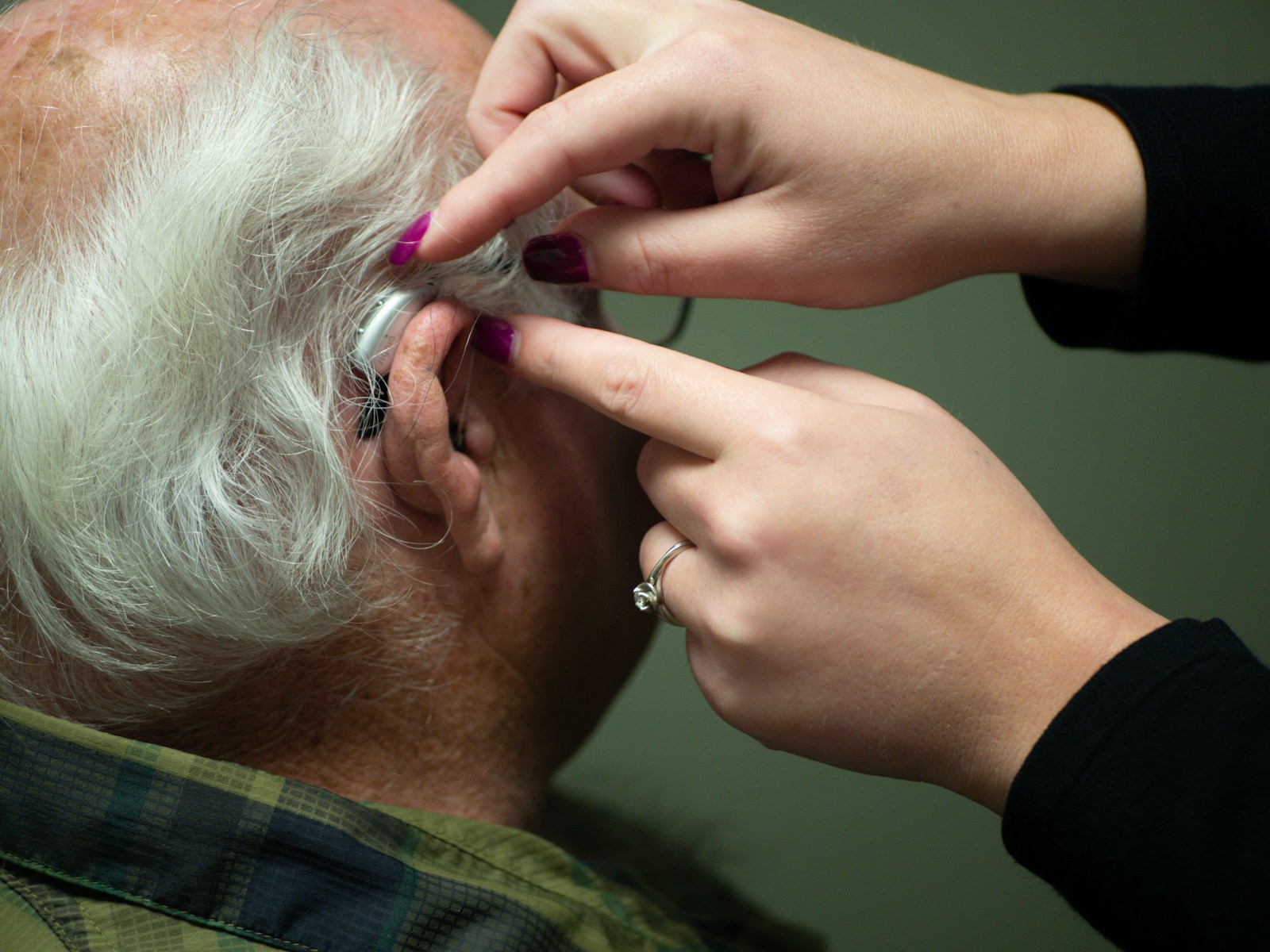
Choosing a hearing aid is a significant decision—one that can profoundly influence communication, confidence, safety, and overall quality of life. Because hearing needs vary widely from person to person, there is no single “best” hearing aid. Instead, the right device is one that matches an individual’s degree of hearing loss, lifestyle, comfort preferences, budget, and technological expectations. Finding this ideal fit requires a thoughtful and informed process. This essay explores key considerations, professional guidance, technological capabilities, and practical strategies that help individuals select the right hearing aid for their needs. We recommend this hearing aids Wichita Falls company.
Understanding the Nature of Hearing Loss
The first and most important step in choosing a hearing aid is understanding the type and severity of hearing loss. Hearing loss generally falls into three categories—conductive, sensorineural, or mixed—and each has unique causes and treatment implications. Devices are also fitted according to the specific frequencies an individual struggles to hear. For example, many people experience difficulty with high-frequency sounds, which affects clarity of speech more than volume.
Because guessing is unreliable, a professional hearing evaluation is essential. An audiologist or licensed hearing specialist conducts a full audiogram, examines the ear canal, and determines whether medical intervention is needed before devices are considered. This diagnostic step ensures the hearing aid selected is not only effective but also safe and medically appropriate.
Consulting a Qualified Hearing Professional
A skilled audiologist or hearing instrument specialist plays a central role in the selection process. These professionals evaluate hearing thresholds, explain device options, program hearing aids to individual needs, and provide follow-up care that ensures long-term success. They also consider lifestyle factors—such as work environment, hobbies, typical noise exposure, and communication challenges—to recommend models with features suitable for the user’s daily life.
Professional guidance is especially crucial for first-time users, who may feel overwhelmed by the vast number of brands and technologies available. Audiologists simplify the choices and help patients avoid common pitfalls, such as purchasing an overpowered or underpowered device, choosing a style that is uncomfortable, or selecting features they do not need.
Choosing the Appropriate Hearing Aid Style
Modern hearing aids come in a variety of styles, each with its own benefits and limitations. Understanding these design differences helps users choose a model that aligns with comfort, discretion preferences, and functional needs.
Behind-the-Ear (BTE)
BTE aids rest behind the ear and connect to an earpiece through a thin tube. They are suitable for a wide range of hearing losses and are popular for their durability and ease of handling. Because of their size, they can incorporate advanced features and longer-lasting batteries.
Receiver-in-Canal (RIC or RITE)
RIC models place the speaker directly inside the ear canal, producing clearer sound and reducing distortion. They are among the most popular designs today due to their natural sound quality and sleek appearance.
In-the-Ear (ITE) and In-the-Canal (ITC)
These custom-fit models sit entirely within the outer ear or partially inside the canal. They are less visible but generally offer fewer manual controls because of their smaller size. They can be a good option for moderate hearing loss.
Completely-in-Canal (CIC) and Invisible-in-Canal (IIC)
CIC and IIC devices are the smallest and most discreet options. They suit people seeking near-invisible hearing aids, but their small size limits battery life and advanced features. They are typically recommended for mild to moderate hearing loss.
Choosing the right style involves balancing cosmetic preference, comfort, dexterity (ability to handle small devices), and hearing performance.
Considering Key Sound Processing Features
Modern hearing aids are sophisticated computers capable of much more than simple amplification. Key features to evaluate include:
1. Noise Reduction and Speech Enhancement
Advanced algorithms distinguish speech from background noise, making conversation easier in busy environments. Users who frequently dine out, attend meetings, or socialize in groups benefit greatly from strong noise-reduction capabilities.
2. Directional Microphones
These help the user focus on sounds coming from a specific direction—usually in front—while reducing irrelevant noise from behind. Directional technology significantly improves speech clarity.
3. Feedback Cancellation
Modern digital systems remove the whistling or squealing that sometimes occurs when sound escapes the ear canal and is re-amplified.
4. Bluetooth Connectivity
Bluetooth-enabled hearing aids can stream phone calls, music, and television audio directly to the ear. For tech-savvy users or those who spend hours on the phone, this feature greatly enhances usability.
5. Rechargeable Batteries
Rechargeable lithium-ion hearing aids eliminate the need to replace tiny disposable batteries. Users with limited dexterity often prefer this option.
6. Automatic Environmental Adjustments
Many devices automatically adapt to different listening environments, making them easier for first-time users who do not want to manage settings manually.
The ideal feature set depends on the user’s lifestyle and comfort level with technology.
Matching Hearing Aids to a User’s Lifestyle
Lifestyle is a major factor in selecting the right hearing aid. A highly active person who attends social events, works in noisy settings, or enjoys outdoor activities requires different capabilities than someone who spends most of their time in quiet environments.
For example:
- Active professionals may need robust noise reduction and Bluetooth connectivity for meetings.
- Older adults living in quieter settings might prioritize comfort and simplicity.
- Individuals who enjoy music may require devices with high-fidelity sound processing.
- People with dexterity issues may benefit from larger devices or rechargeable models.
A candid lifestyle assessment helps ensure the hearing aid provides meaningful, real-world benefits.
Budget and Insurance Considerations
Hearing aids vary widely in price, ranging from basic models to premium devices with advanced processing and connectivity. While premium models offer enhanced performance, not every user needs top-tier technology. A hearing professional can explain differences between technology levels and help users choose the most cost-effective option.
Insurance coverage for hearing aids varies by provider and country. Some individuals may qualify for government programs, workplace benefits, or payment plans. Budget should guide the decision—without compromising on essential sound clarity and comfort.
Importance of Trial Periods and Follow-Up Adjustments
Even the best hearing aid may require fine-tuning. Most providers offer trial periods during which users can test devices in real-life situations. During this time, the audiologist can adjust settings based on the user’s feedback. Follow-up appointments are crucial, as the brain needs time to adapt to new sounds and the device often needs recalibration.
Users should evaluate:
- Comfort during prolonged wear
- Clarity of speech in quiet and noisy settings
- Ease of handling and cleaning
- Satisfaction with battery life
- Ability to manage digital controls (if applicable)
This adjustment process is a key part of finding the perfect match.
The Role of Personal Preference and Psychological Readiness
Beyond technical considerations, personal comfort and readiness play a significant role in hearing aid selection. Some users value discretion above all else, while others prioritize sound quality regardless of size. Emotional acceptance—recognizing that hearing aids represent empowerment, not decline—can also influence satisfaction.
Being open-minded, patient, and willing to adapt significantly improves the experience. Users who view hearing aids as tools that enhance independence and connection tend to adjust more quickly and enjoy better outcomes.
Conclusion
Finding the right hearing aid is a multi-step process involving professional assessment, technological understanding, lifestyle evaluation, and personal preference. By taking the time to understand one’s hearing needs, consulting with qualified professionals, and carefully considering styles, features, comfort, and budget, individuals can select a device that significantly improves communication, confidence, and daily well-being.
The journey to better hearing is deeply personal, but with thoughtful guidance and modern technology, the right hearing aid can restore clarity, reconnect individuals with their environment, and enrich life in profound ways. If approached carefully, the selection process becomes not simply about choosing a device—but about reclaiming the fullness of human sound and connection.