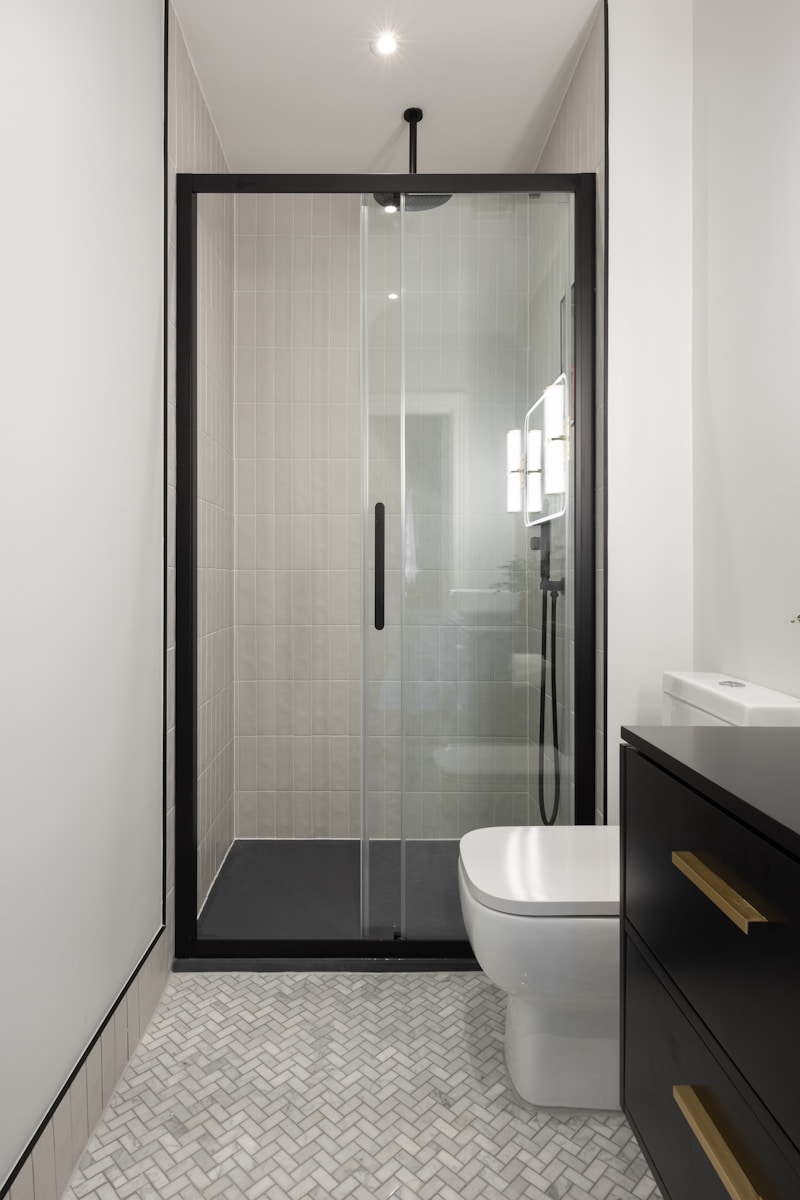
Porcelain tile bathroom has become one of the most popular materials for bathroom design due to its durability, water resistance, and aesthetic appeal. Whether used for flooring, walls, or even countertops, porcelain tile offers a blend of practicality and elegance that makes it ideal for the unique conditions of the bathroom. This essay explores the benefits of using porcelain tile in bathrooms, its design versatility, and considerations for installation and maintenance.
1. Durability and Water Resistance
One of the primary reasons homeowners and designers choose porcelain tile for bathrooms is its superior durability. Made from refined clay and fired at extremely high temperatures, porcelain tiles are denser and less porous than regular ceramic tiles. This makes them highly resistant to water and stains—an essential quality in a space constantly exposed to moisture and humidity. Porcelain tiles also resist scratches and chips, which adds to their long-term value and suitability for high-traffic bathroom areas.
2. Aesthetic Versatility
Porcelain tile offers an incredible range of styles, textures, and finishes, allowing for endless design possibilities. It can be manufactured to mimic the look of natural stone, wood, or even fabric, offering luxurious aesthetics without the high cost or maintenance requirements of those materials. Glossy tiles can create a sleek, modern look, while matte or textured finishes add warmth and a natural feel. With a wide variety of colors and sizes available, porcelain tile allows homeowners to customize their bathroom design to suit any taste, from contemporary minimalism to traditional elegance.
3. Ease of Maintenance
Another advantage of porcelain tile is its ease of maintenance. Because it resists water and stains, it is easy to clean with basic household products. Unlike natural stone, it does not require regular sealing or special cleaners. Its low-maintenance nature makes it ideal for busy households and individuals who want a stylish yet practical bathroom surface.
4. Cost and Installation Considerations
While porcelain tiles are generally more expensive than ceramic tiles, their long lifespan and low maintenance requirements can make them a more economical choice in the long run. Installation can be more labor-intensive due to the hardness and weight of porcelain, requiring professional tools and expertise. However, the investment is often justified by the lasting quality and refined appearance of the finished bathroom.
5. Environmental and Safety Factors
Porcelain tiles are environmentally friendly, often made with natural materials and recyclable components. Their hard surface makes them hypoallergenic, as they do not harbor dust, mold, or allergens. Additionally, anti-slip versions of porcelain tiles are available, providing increased safety in wet bathroom environments—particularly important for households with children or elderly family members.
Conclusion
Porcelain tile stands out as a top-tier material for bathroom design due to its combination of durability, beauty, and ease of maintenance. Although it requires a higher initial investment, the long-term benefits make it a smart choice for both residential and commercial bathrooms. With the ability to suit virtually any design vision while offering practical advantages in performance and hygiene, porcelain tile remains a timeless and valuable solution for modern bathroom spaces.